


Is Brain Fog Coming From Your Neck?
The link between the cervical spine and mental clarity, and when the neck is worth investigating.
Movement screening, injury management and a return-to-play plan you can hand to a coach — with honest calls about rest, growth and year-round single-sport load.
The problem you are trying to solve is usually not the injury. It is that you have had four different opinions — the coach says push through, the trainer says rest it, the pediatrician says it is growing pains, and the internet says something alarming — and nobody has given you a plan with a date on it.
A growing athlete is not a small adult, and the difference is specific: growth plates are the weak link rather than the tendon, growth spurts temporarily change the length-to-strength relationship, and load tolerance moves month to month. That is why an injury pattern in a fourteen-year-old needs interpreting differently from the same complaint in an adult.
Tap the ones that sound like you and the rest of this page narrows to match. Choose none and you will see everything we treat.
Treat what is injured, correct the asymmetry that produced it, and return to play on criteria rather than on a guess about the calendar.
This is the most consequential thing on the page and the least popular. The evidence on youth sport is fairly consistent: high-volume, year-round participation in a single sport increases overuse injury risk, and it does not reliably improve the odds of playing at the next level. Multi-sport athletes through the early teens tend to arrive with better movement quality and fewer chronic problems.
Two practical numbers get used as rough guides: hours of organized sport per week should not exceed the child's age, and there should be at least one period each year away from the primary sport. We will tell you where your child's schedule sits against that, because it is often the actual cause of the recurring injury you came in about.
The complaints we see most often in club, travel and school athletes between eight and eighteen.
During a growth spurt, bone lengthens before the muscle and tendon catch up, so tendon attachments come under more tension than they were built for. That produces recognizable, nameable conditions rather than a vague inevitability: pain at the front of the knee below the kneecap, pain at the back of the heel, and pain at the front of the hip or pelvis in kicking and sprinting athletes.
These are real, they are usually self-limiting, and they respond to load management, targeted work and time. But they are also frequently confused with something that needs imaging. Pain at rest, night pain that wakes a child, swelling, a limp that persists, or pain localized to a single point on a bone deserves a proper workup rather than reassurance, and if that is what we find you will be sent for it.
Age-appropriate milestones, posture, and the specific overuse patterns to watch for by sport. It flags what is worth a screen and what is simply a growing child.
This is the single most useful thing a youth sports chiropractor in Marietta can offer a healthy athlete. A movement screen looks at how the athlete actually moves — hip and ankle range, single-leg control, shoulder mechanics, asymmetries between sides — and asymmetry is the useful finding. A meaningful side-to-side difference in strength or range is one of the more reliable predictors of injury, and it is correctable in a few weeks of specific work.
It turns injury prevention into something specific and measurable rather than a general encouragement to stretch.
Return-to-play decisions go wrong in both directions. Too early produces re-injury; too late costs the season for no clinical benefit. What resolves it is criteria rather than dates: full pain-free range, strength within a defined percentage of the other side, and the ability to complete sport-specific movement without compensation.
You get those criteria written down so it is not a negotiation between you, a coach and a fifteen-year-old who wants to play. We will also talk to the coach or athletic trainer directly if that helps, which it usually does. Concussion is the one exception where we do not manage the timeline: that follows state return-to-play protocol and a physician's clearance, full stop.
History including training volume and the sport calendar, a full examination, and a movement screen with the asymmetries measured. If anything suggests a growth plate or bone problem needing imaging, that comes first and you are sent for it.
Treatment for the injured structure, plus a specific written adjustment to training volume. Complete removal from sport is a last resort for most presentations and a first step for a few — you will be told which yours is and why.
The measurable side-to-side differences from the screen are the target, because that is what turns a one-off into a recurring problem. Rebuilt through the range, then loaded in the movements the sport actually demands.
Full pain-free range, strength within target of the other side, and sport-specific movement without compensation. You get it in writing, and we will speak to the coach or trainer directly. Concussion follows state protocol and physician clearance instead.

Two wavelengths, and enough power to reach a hip.

A steel edge finding what a thumb cannot.

Posture, measured in degrees and millimeters.

Vibration recruits muscle you cannot recruit on purpose.

Every step you take, mapped as pressure.

Rhythmic pressure that moves what swelling leaves behind.

Acoustic pressure, aimed at one square centimeter.

A precise, low-force impulse. No twisting.
The link between the cervical spine and mental clarity, and when the neck is worth investigating.

What if your next injury isn't a setback, but a turning point? Discover how regenerative healthcare and The 100 Year Lifestyle are helping a…
Dr. Eric Plasker, D.C.Read the article
Your joints hold the key to lifelong health. Discover why mobility is medicine and how restricted movement triggers a cascade of compensatio…
Dr. Eric Plasker, D.C.Read the article
Discover how to thrive—not just survive—into your 100s. Learn the daily habits that unlock your body's natural healing power and reshape wha…
Dr. Eric Plasker, D.C.Read the article
Three different people walk into Plasker Chiropractic with three different reasons. The plan is not the same for any of them.
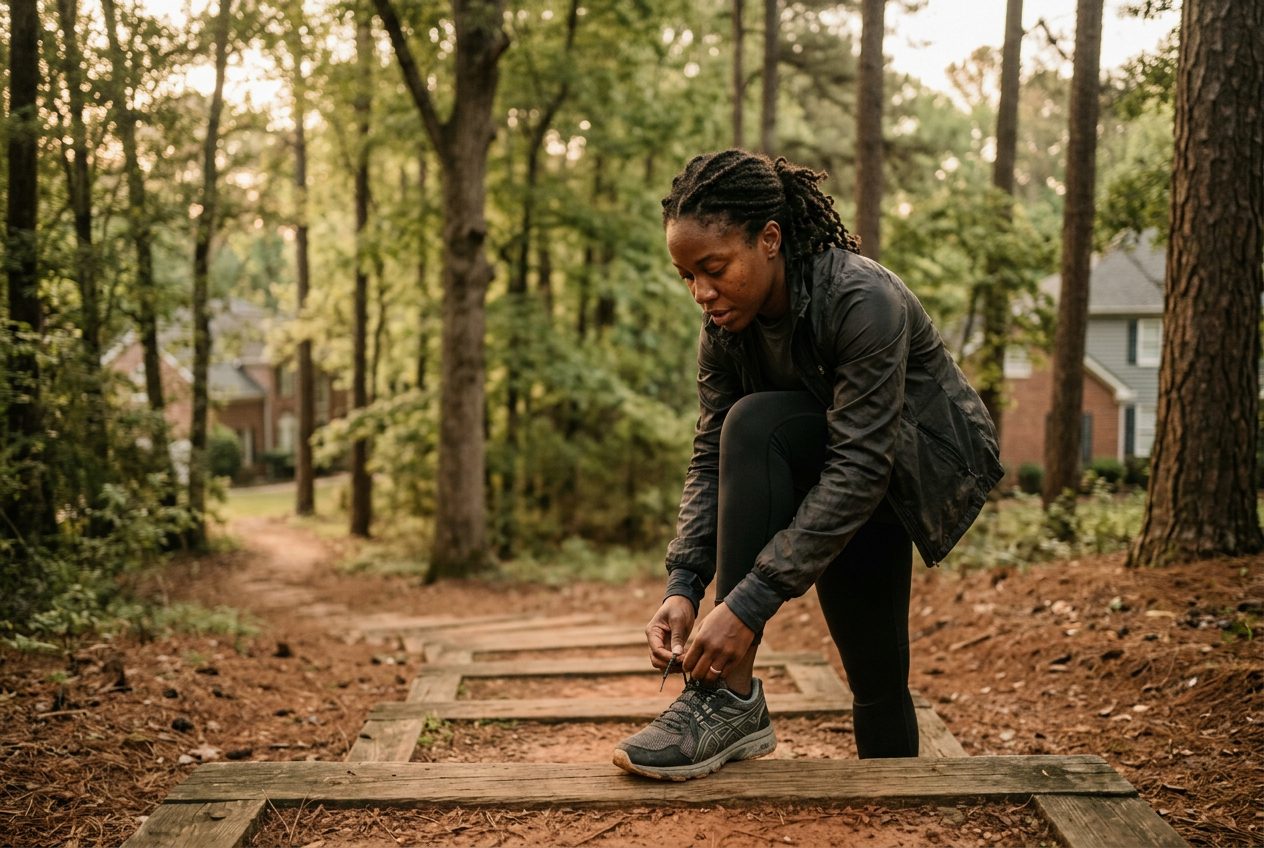
Athletes reclaiming performance after an injury that was supposed to be the end of it.
Retirees protecting the independence that makes the next thirty years worth having.

Families choosing natural, drug-free care as a first option rather than a last one.
The 100 Year Lifestyle is a registered trademark and service mark in the United States and Canada. Plasker Chiropractic is a certified provider.
We came to Plasker for my son who had a sport strain. They have helped and guided him and my older son on having optimum performance on the baseball field and have guided us on getting their body back in alignment to function properly. My boys love their adjustments and are feeling great!
10/10 very nice people, helped me stay healthy in and out of football season
Dr. Plasker and Dr. Cory have been a complete heaven sent blessing to my family and my self. We are close to reaching our 2 year mark of transitioning from crisis care to lifestyle care. My son was 2 years old when he started his care and to this day he absolutely loves visiting Dr. Plasker & Dr. Co…
No, but the technique is age-appropriate and force-appropriate, and for younger children it is very gentle. For adolescent athletes the bigger part of the work is usually the movement correction and the load management rather than the adjustment itself.
Sometimes, and even then it usually has a specific name and a specific management plan rather than being something to wait out. What should not be dismissed as growing pains is night pain that wakes them, pain at rest, swelling, a persistent limp, or pain localized to one point on a bone. Those get imaged rather than reassured.
Rarely, and only when there is a real reason such as a suspected growth plate injury, a stress reaction, or a concussion. For most presentations we modify volume rather than remove the sport, because complete removal costs conditioning and the athlete's willingness to tell you the truth about symptoms next time.
Often, yes, and this is the honest answer rather than the popular one. High-volume year-round single-sport participation raises overuse injury risk without reliably improving long-term prospects. Two useful guides: weekly hours of organized sport under the child's age in years, and at least one break from the primary sport each year. We will tell you where your child's schedule actually sits.
Yes, and it is usually the thing that makes the plan stick. You get return-to-play criteria in writing, and we will speak with the coach or trainer directly so the decision is not being renegotiated at every practice.
We do not manage the return-to-play timeline for a concussion. That follows Georgia's return-to-play requirements and a physician's clearance. Where care here can contribute is afterwards, for the neck injury that very commonly accompanies the head injury and for persistent dizziness or balance problems once medical clearance is in place.
A movement screen and examination in Marietta, honest calls about rest and training volume, and return-to-play criteria written down for the coach.
Plasker Chiropractic is in Marietta, and patients drive in from across Cobb, north Fulton and DeKalb. Pick your area for directions, parking and what we most often treat for people nearby.
Free newsletter
One issue at a time, put together from the topics you care about. Change your topics or stop from any email.
We never sell or share your address.